When choosing a Corten steel sculpture, garden feature, or outdoor product, the type and origin of the steel play a far bigger role than most people realise. While imported steel may appear similar at first glance, there are significant differences in quality, performance, and long-term durability when compared to steel that is proudly made right here in Australia. Understanding these differences helps you make a more informed decision and ensures your investment stands the test of time.
One of the biggest advantages of Australian-made steel is its consistent quality. Australia has some of the strictest manufacturing standards in the world, with tight controls on composition, strength, and performance. This means the steel is reliable, predictable, and built to perform in demanding environments. When working with Corten steel in particular, consistency is critical because the weathering process relies on a precise balance of elements to form the protective rustic patina. Australian steel is manufactured to meet these exact requirements, ensuring that the patina develops evenly and functions as intended, protecting the steel beneath from further corrosion.
Imported steel, on the other hand, can vary significantly in quality depending on its source. In some cases, inconsistencies in the alloy mix can lead to uneven weathering, patchy finishes, or reduced durability over time. While not all imported steel is poor quality, it often lacks the same level of traceability and strict compliance that Australian steel provides. This uncertainty can become a risk, especially for outdoor products that are exposed to the elements year-round.
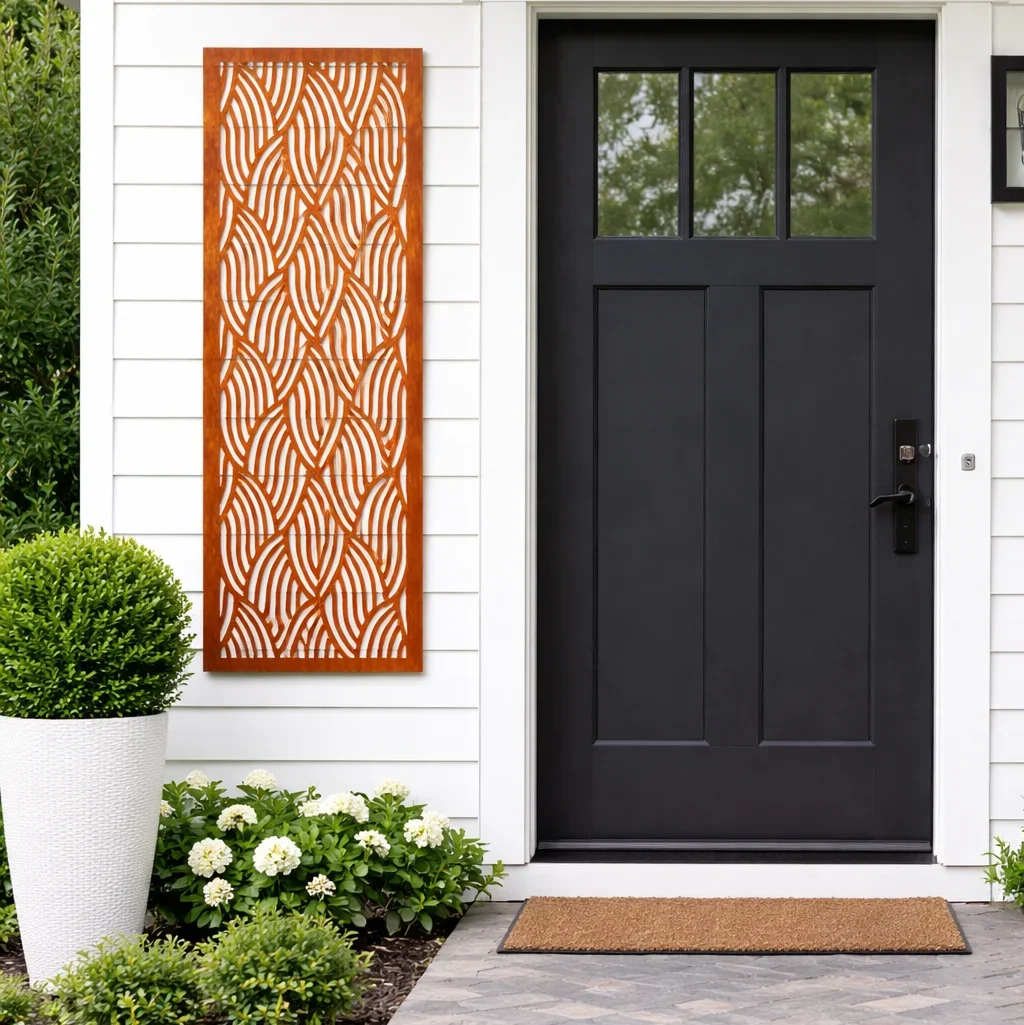
Privacy Screens – Iron Leaf Studio
Durability is another key factor where Australian-made steel stands out. Australia’s harsh climate, ranging from intense UV exposure to heavy rain and coastal conditions, demands materials that can endure extreme environments. Steel produced locally is designed with these conditions in mind, making it highly suited for outdoor sculptures, fire pits, planters, and garden features. When used in Corten steel products, this durability is enhanced further by the formation of the protective outer layer, which slows down corrosion and significantly extends the lifespan of the piece.
Imported steel may not always be engineered for these conditions. In some cases, it is manufactured for entirely different climates and applications, which can impact how it performs when placed in Australian environments. This can result in faster degradation, structural weakness, or a finish that doesn’t age as gracefully as expected.
Another important consideration is craftsmanship and accountability. When you choose products made from Australian steel, you are typically supporting local manufacturers who take pride in their work. There is a level of transparency and accountability that comes with sourcing and producing locally. If something isn’t right, there is a clear line of responsibility, and quality control is much easier to maintain. This often results in better finishing, cleaner cuts, and overall higher-quality products.
With imported steel, the supply chain is often longer and less transparent. Steel may pass through multiple suppliers before reaching the final manufacturer, making it harder to guarantee consistency and quality. This can affect everything from structural integrity to the final appearance of the product.
Sustainability is also becoming an increasingly important factor for many buyers. Australian steel production is subject to environmental regulations that aim to reduce emissions and promote responsible manufacturing practices. By choosing Australian-made steel, you are supporting a more regulated and environmentally conscious industry. Additionally, locally sourced materials reduce the need for long-distance shipping, lowering the overall carbon footprint of the product.
Imported steel often involves extensive transportation, sometimes travelling thousands of kilometres before it reaches its final destination. This not only increases environmental impact but can also contribute to higher variability in the material due to handling and storage conditions during transit.
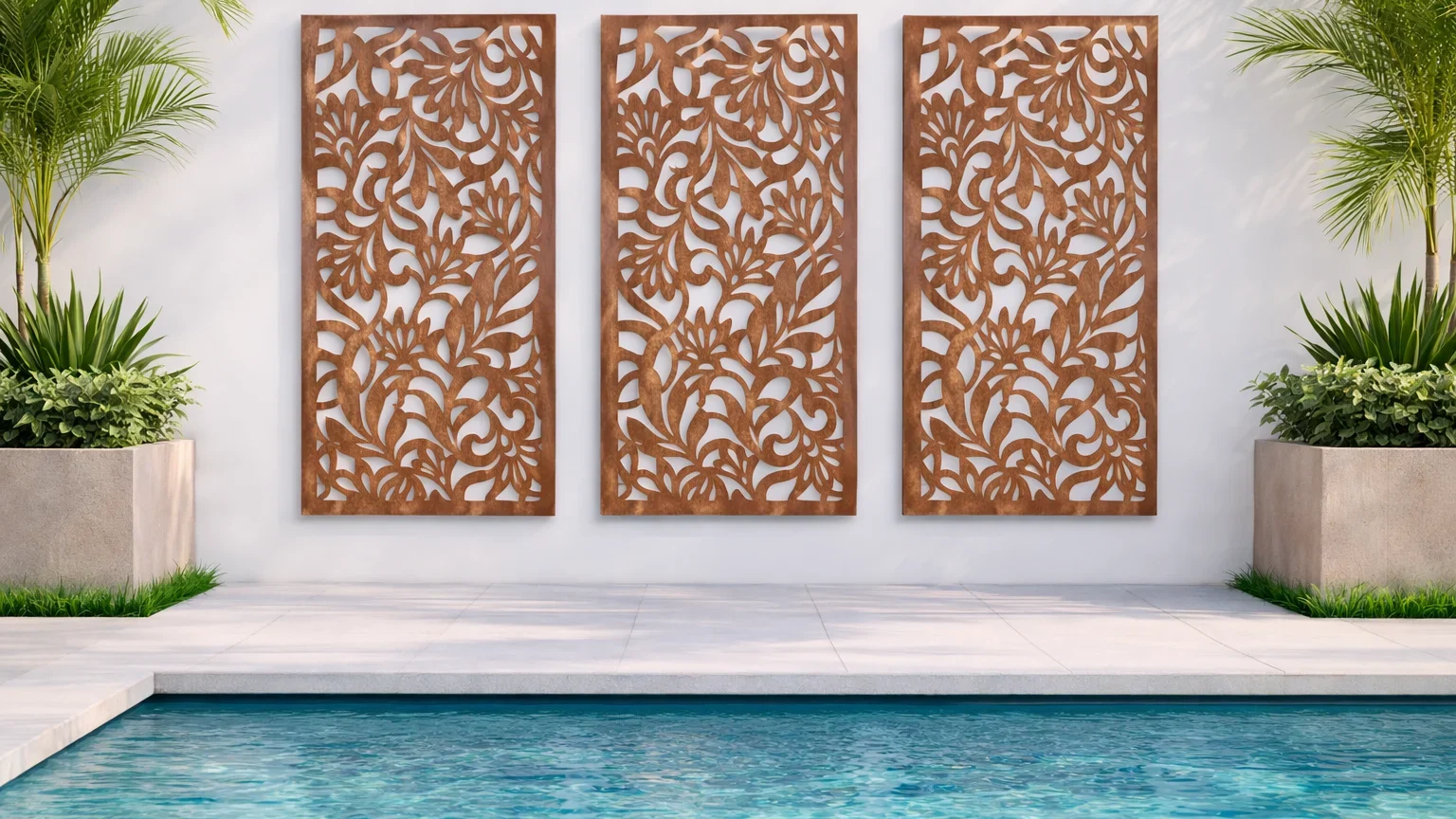
Privacy Screens – Iron Leaf Studio
From a design perspective, Australian-made steel offers greater reliability for fabricators and designers. Knowing that the material will behave consistently allows for more precise cutting, shaping, and finishing. This is particularly important for detailed laser-cut designs and decorative sculptures, where precision is key. The result is a cleaner, sharper finish and a product that truly reflects the intended design.
Finally, there is the broader impact of supporting Australian industry. Choosing Australian-made steel helps sustain local jobs, supports skilled trades, and contributes to the growth of local businesses. It ensures that manufacturing knowledge and craftsmanship continue to thrive within the country. For many customers, this adds an extra layer of value to their purchase, knowing they are investing in both quality and community.
In contrast, opting for imported steel may offer a lower upfront cost, but this can sometimes come at the expense of quality, longevity, and reliability. When it comes to outdoor sculptures and architectural features, these are not short-term purchases, they are designed to last for years and become a permanent part of your space.
In the end, the choice between Australian-made steel and imported steel comes down to more than just price. It is about confidence in the material, trust in the manufacturing process, and the assurance that your product will perform as expected over time. For those who value durability, consistency, and craftsmanship, Australian-made steel remains the clear and reliable choice.